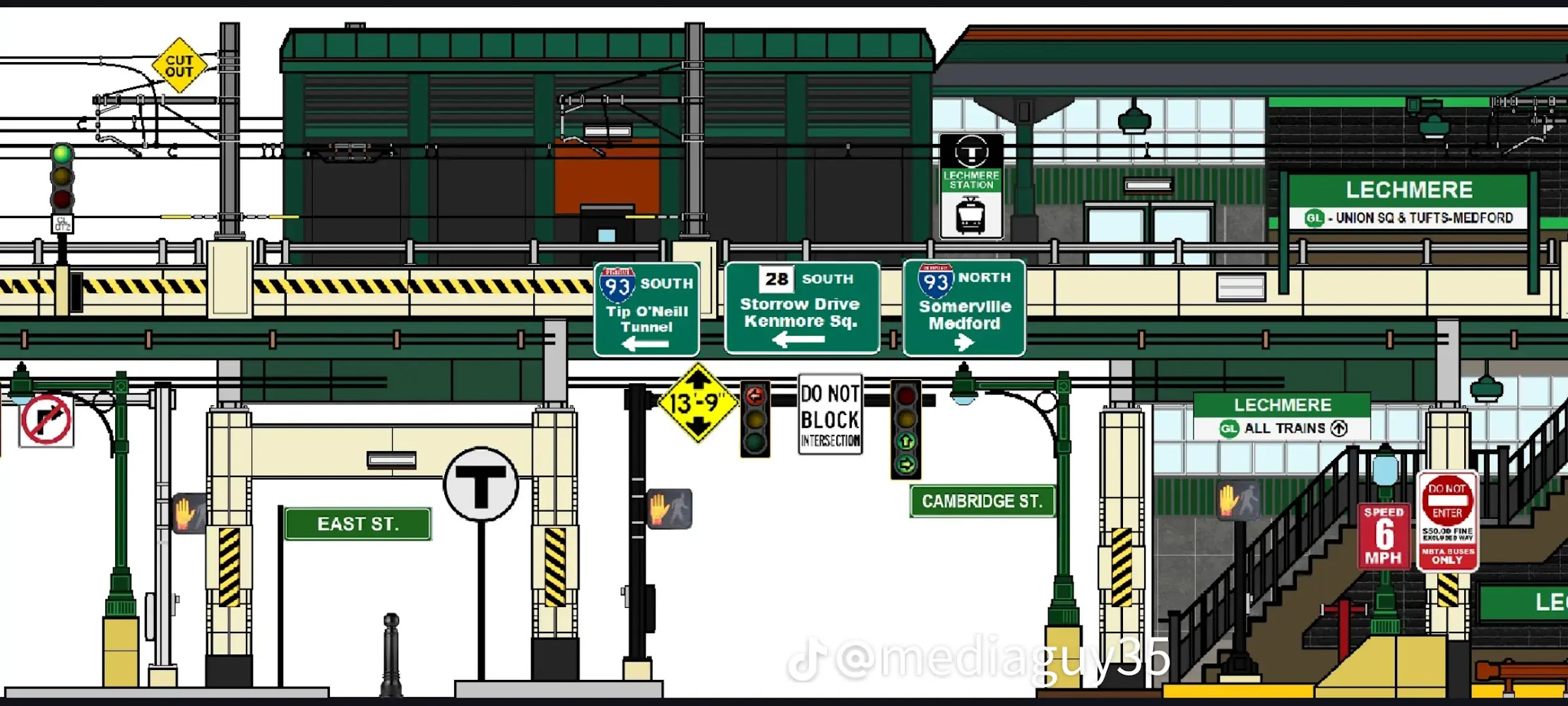
Mia's Tips for the MBTA
Or: How I Learned to Stop Worrying and Love the Green Line
Or: How I Learned to Stop Worrying and Love the Green Line
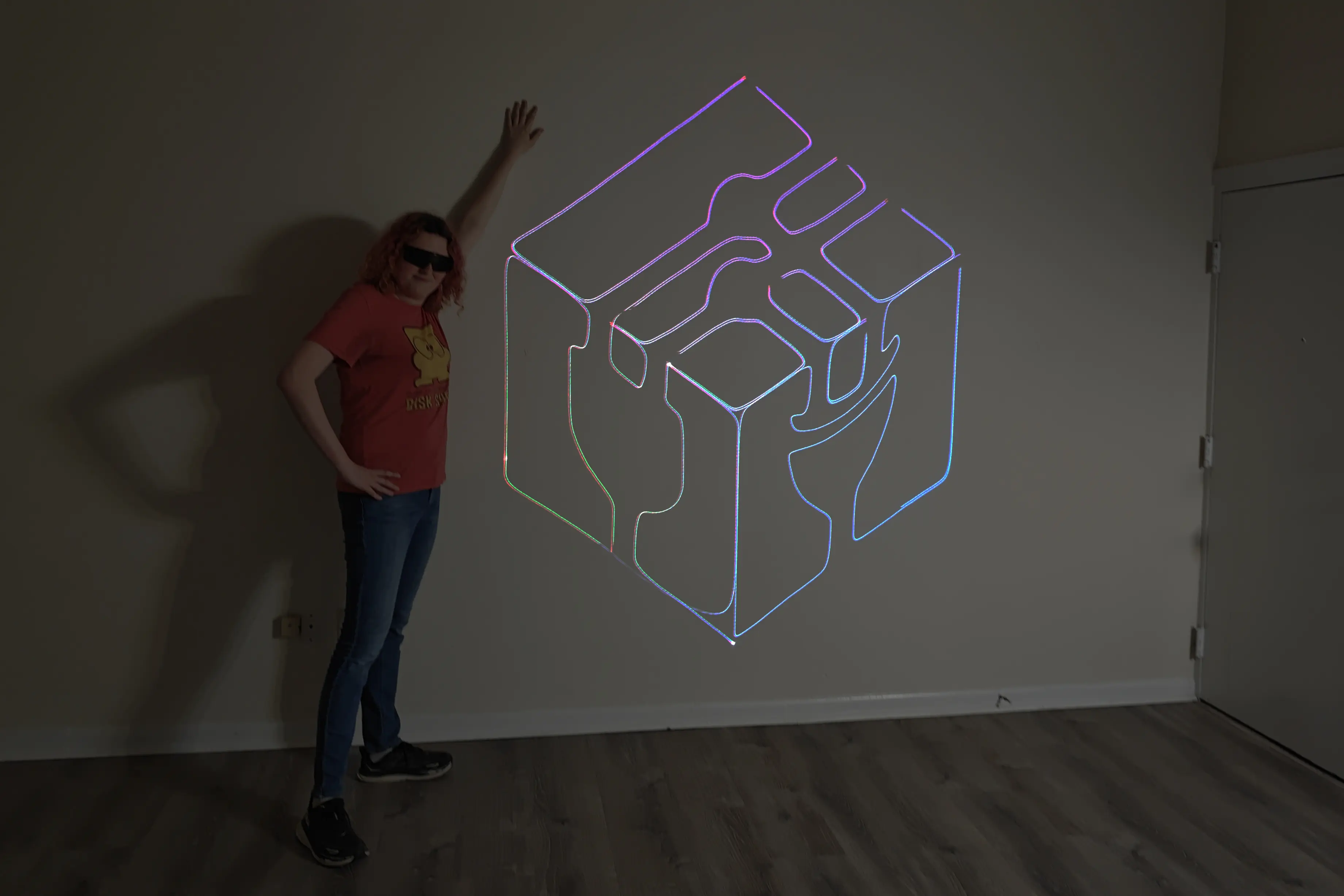
Hey there! My girlfriend and I have been working on a laser galvo projector for the past few months, and she just put up a great blog post chronicling it all. I had to dust off my op-amp equations, and a lot of the mechanical parts were totally new to me. Check it out for a ton more details!
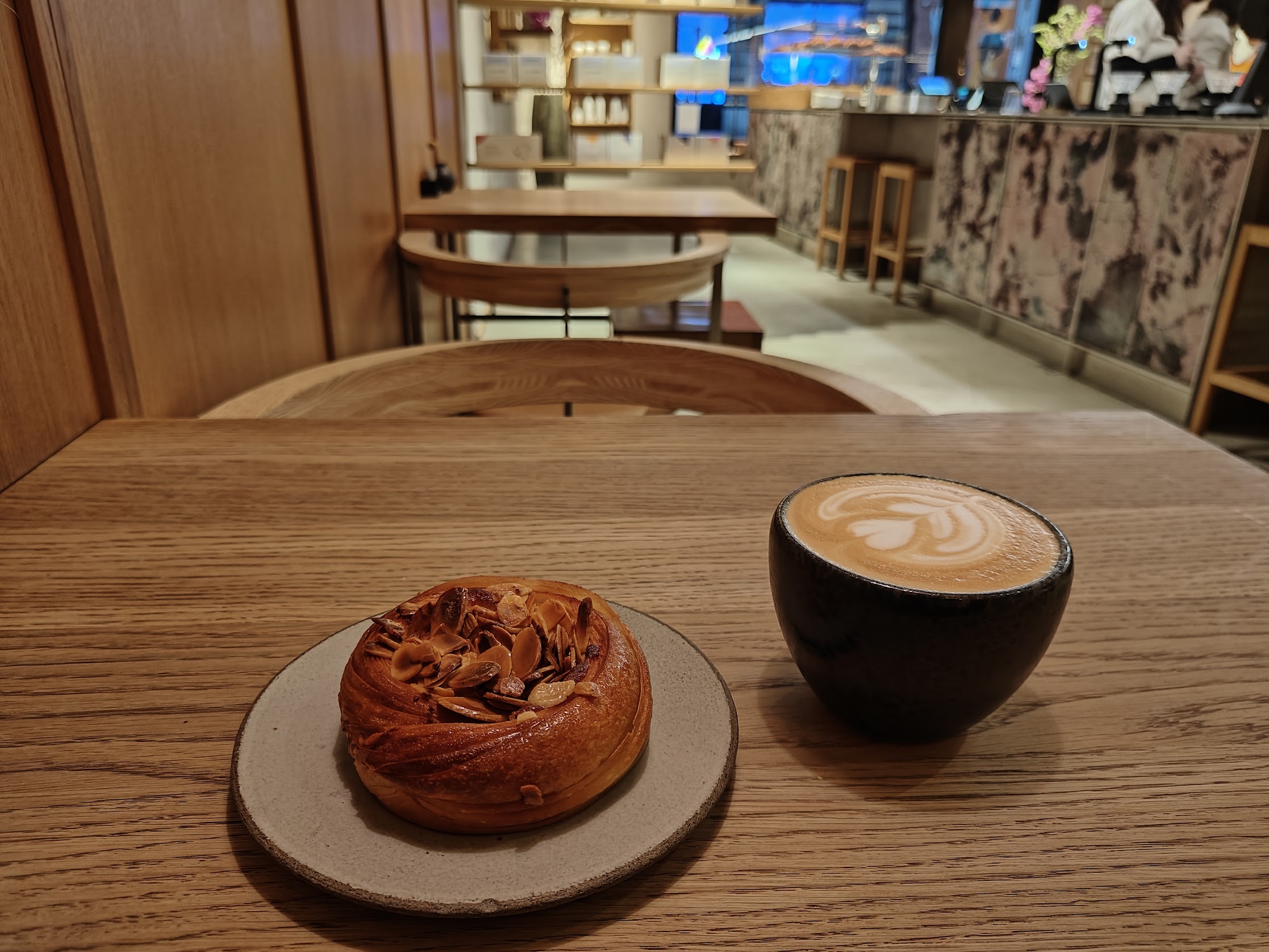
I love coffee, and I have for the majority of my life. I’ve also been to a lot of cafes in my time, and they’re one of the things I have enough specific opinions about to feel like it’s fun to share them. This post started as a roundup of cafes I found this year, but I wanted to include more and more, so it turned into a more general list. These aren’t necessarily all of the best I’ve ever been to, just the ones that stick out in my mind.

Massachusetts amateur radio plates look sick. Here’s how to get one: Acquire a ham radio license. There are a few ways of doing this, but hamstudy.org is an invaluable prep tool. Tests are often available at university radio clubs, and I even took mine at an FFRDC, so I guess getting that clearance wasn’t for naught. After you pass the test, you’ll be given a number which you input into the FCC ULS to pay the fee and acquire your license.
Or, Mia’s Adventures in a haunted courthouse
Oh yeah, it’s getting personal
There’s a very specific feeling I get when in a classroom at night. I usually only end up there for some kind of special occasion: the last math team practice of the season, a guest lecturer in college, or a presentation night for finals. Even if there are no windows, the fluorescent lights seem a little brighter, the room a little warmer, focus a little easier. I’d like to imagine that Donald Sherman was feeling somewhat similarly as he sat in front of a green phosphor CRT terminal and a telephone handset perched on top of a wooden box. He was surrounded by a group of at least a dozen people who had filed into the Michigan State University AI Lab on the night of December 4th, 1974 to watch Sherman order a pizza.
This device complies with part 15 of the FCC Rules. Operation is subject to the following two conditions: (1) This device may not cause harmful interference, and (2) this device must accept any interference received, including interference that may cause undesired operation. This incantation has been repeated billions of times: embossed into the injection molded cases of cheap toys, printed on stickers slapped on the bottom of WiFi routers, and tattooed on the back of your local hacker 1. But what the hell does it actually mean? In short, it’s the regulation that allows unlicensed use of certain types of radio transmittors on certain frequencies. To get that far however, three elements had to come together:
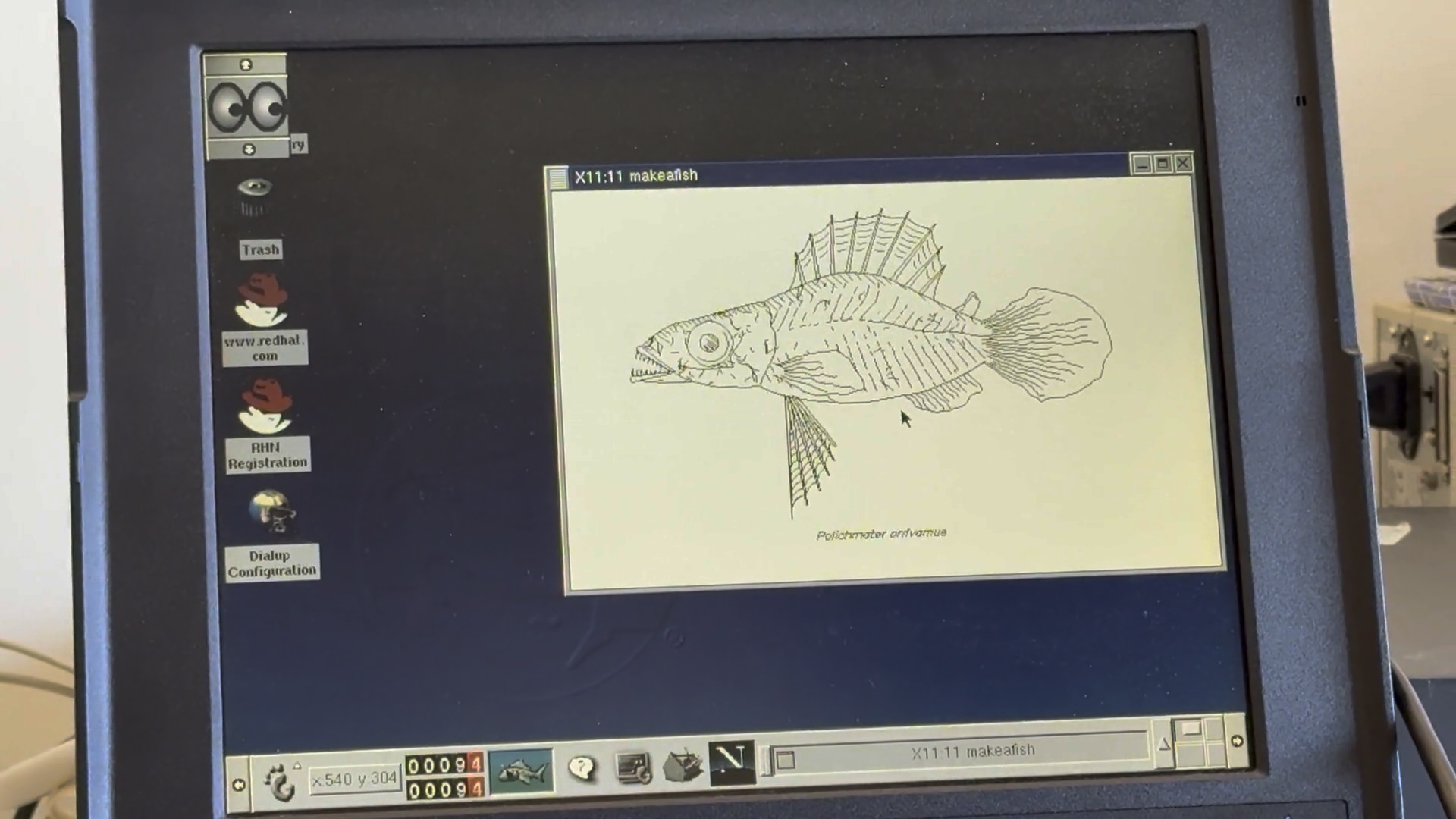
Try out the live version, or check out the source on GitHub. Intro “Serverless X11 client” is a term that should strike fear into any self respecting IT practitioner. Marrying X11 (legacy, hardware coupled, long lasting, realtime) with serverless (cloud native, ephemeral, abstract) makes no goddamn sense. This is exactly why I had to do it Solve for X11 X11 is the windowing system that UNIX, and later Linux, grew up on. Instead of having to manually draw each and every pixel, a program can make X11 calls to draw a window, render text, and get input events. Although it’s slowly being supplanted by the upstart Wayland, it’s remarkable for surviving since the mid 1980s essentially unchanged. Owing to its heritage in the era of the minicomputer, X11 is network transparent, meaning the application and terminal can be on separate machines, and communicate over TCP.
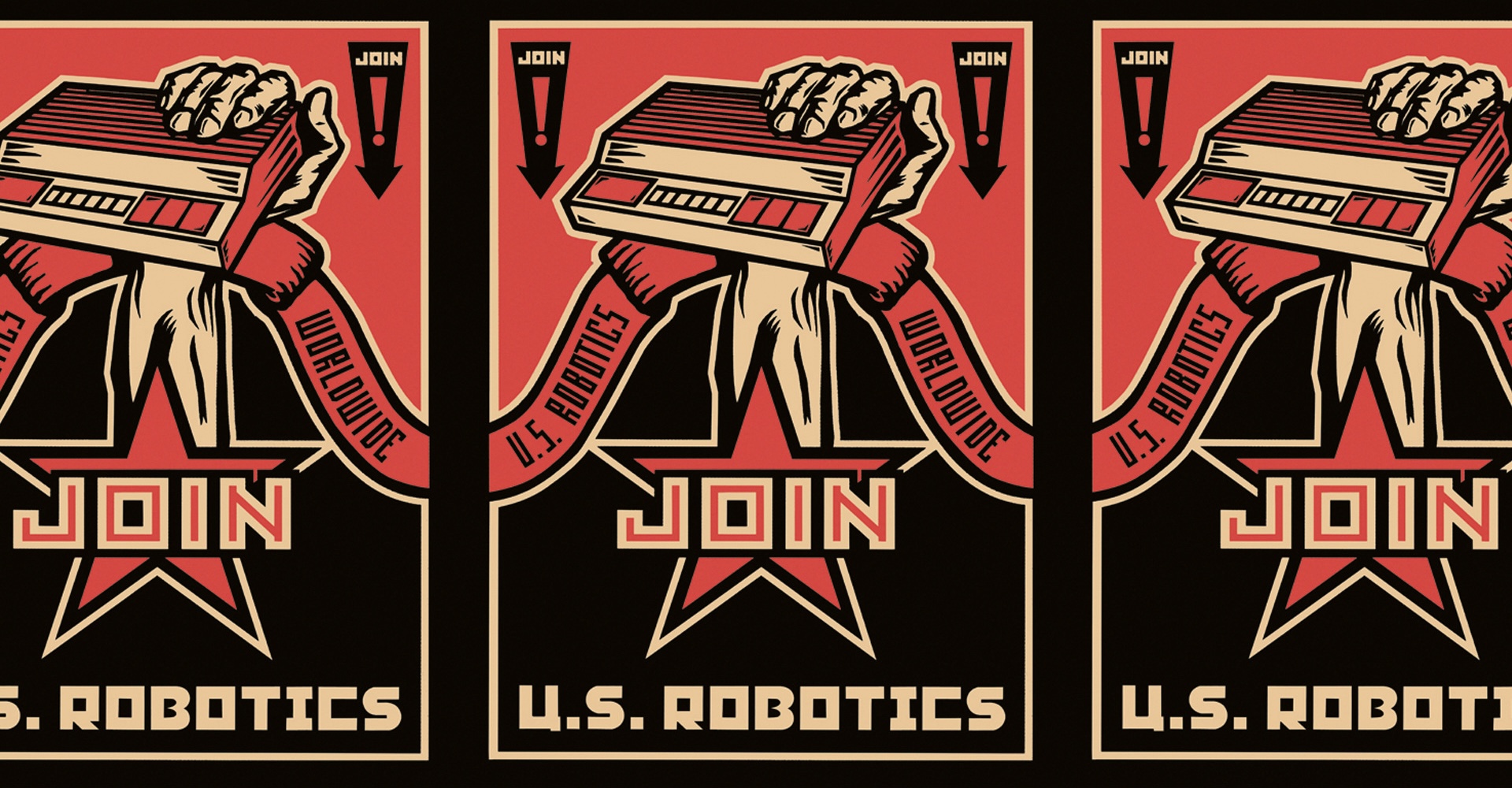
Dialup modems are split into three classes of capability: data, fax, and voice. Data modems exclusively transmit serial data, used for dial-up internet and server access. Fax modems have data capability, but can be put into a special mode to transmit and receive faxes. This is quite natural from a technical perspective since fax machines are essentially scanners connected to modems. Voice modems are data/fax compatible, and when set to a special mode, can pass digitized audio between the phone line and computer.